

HELLO
236 S. Boylan Ave
Suite 100
Raleigh, NC 27603
919 438 2423
letschat@koroberi.com
Resources > Securing B2B case studies
Case studies might just be the most powerful tool in the B2B content marketing arsenal. They don’t just tell a story — they offer social proof, build trust and demonstrate your expertise through real-world validation. One survey shows 80% of B2B customers reference case studies during their buying journey.
They can also be one of the most difficult to secure. Reasons why run the gamut. Our clients report that customers don’t want to give up their ‘secret sauce,’ they want no part of any potential business disruption and they may be hesitant to hitch their public image to a supplier or solutions provider.
To help navigate the objections to case study participation and make the most of these opportunities, we’ve created a step-by-step guide to securing and, creating effective B2B case studies.
A mistake we often see is an “all call” or general request for case studies. Just as assigning a specific person to call 9-1-1 during an emergency is more effective than a vague request for “someone” to help, a blanket request to sales personnel and the customer base to provide case studies is also ineffective. It’s too unfocused and doesn’t clearly delineate responsibility, often resulting in no case study at all or a story that may not perfectly mesh with brand positioning.
Here’s how to get specific — and get results.


To craft a compelling and relatable story, consider the most common challenges your customers are facing. Incorporating these challenges can significantly increase the relevance and impact of your narrative. Additionally, consider whether the product, service or solution you want to highlight truly reflects what your customers are seeking. Explore various use cases to demonstrate versatility, which is often a strong selling point. Finally, identify whether there is a specific market vertical in which you want to grow your presence — this focus can guide how you tailor your messaging and content.


When choosing customers for potential case studies, collaborate with internal stakeholders to identify the strongest candidates for your topic. As you evaluate options, consider the range of customers featured in previous case studies. Are you showcasing a variety of business sizes? If your goal is to reach a global audience, is that diversity reflected in your content? Also, verify whether the industries represented in your case studies align with your target markets.
Another key factor to consider is whether the customer story includes measurable results that demonstrate the value of your solution. These results should reflect your best work, so confirm upfront that the necessary data is available and accessible. Additionally, your relationship with the customer should be active and positive to support smooth collaboration.
Do your due diligence to be aware of any corporate restrictions that may impact marketing efforts. While large corporations bring strong brand recognition, smaller businesses are often more accessible and easier to coordinate with. Both offer practical advantages during the case study process.
From here, it’s time to contact the customer and ask for permission to create a case study based on your project. Customers may be more receptive if the request comes from a familiar face, so it’s better to go through sales representatives, account managers, consultants, dealer contacts or anyone else who has had substantial face time with this customer.
When reaching out to a customer to participate in a case study, be clear and upfront about the details. Let them know which solution or service you want to highlight and how the story will be used—whether for sales enablement, web content or social media promotion. Share where the case study will be published and how it will be promoted, such as in newsletters, on your website or through paid media. Providing a full picture helps the customer understand the scope and ensures they’re comfortable with the visibility the case study will receive.
Another important discussion upfront is determining which case study format — such as a press release, video, testimonial or written article — best fits the narrative you want to tell. There are benefits to each, depending on the story and the customer’s appetite for involvement. Choosing the format should be a collaboration between you and the customer, to help ensure they feel comfortable with the time investment and final deliverable before you begin.
A comprehensive story of the project, describing the challenge, solution and results in detail. Well-suited for stories that don’t require substantial visual aid or customers who prefer a lighter touch.


This could be a 5–10-minute in-depth story or a shorter 2-4-minute video testimonial depending on the story and the customer’s availability for participating in an on-site shoot.


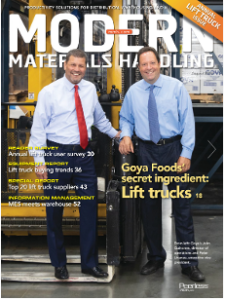
A trade publication creates their own in-depth story based on interviews with the customer.

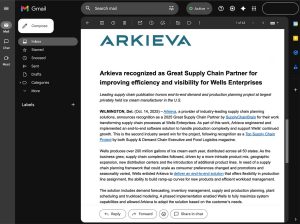
A brief announcement of the project that names the customer, best for communications near the start of a project when results are not yet available.

To encourage participation, identify what’s in it for them. A case study shouldn’t just be framed as a favor to your company — it should offer tangible benefits to the customer, too. Highlight opportunities like positive publicity for the organization, media exposure for key individuals and raw assets they can use in their own marketing (like professional photography and video footage). When customers see value in the partnership, they’re more likely to engage and share a stronger, more enthusiastic story.
It’s also important to clearly outline expectations to avoid confusion later. Let them know exactly what’s needed from their team, how much time it will require, and what kind of support you’ll provide throughout the process. Will you send a questionnaire in advance? Schedule a prep call before interviews? Be sure to also explain the review process, how revisions will be managed and what the final approval process looks like on both sides. Transparency builds trust—and makes the process smoother for everyone involved.
Once a customer agrees to participate in a case study, it’s time to shift into content creation mode. This is where you’ll want to bring in your experts — copywriters, videographers, designers or any outside partners — to shape a compelling and professional story. Keep in mind that the responsibility for planning and production falls on your team, not the customer’s. Respect their time by being organized, prepared and proactive.
Consider starting by drafting the case study based on the information you already have. Even a rough outline can help reveal gaps in the narrative or areas where you’ll need more detail. If you’d rather gather all the facts first, now is the time to prepare your questionnaires—one for your internal team and another for the customer. This helps you get a complete picture of the project from both perspectives, including goals, execution and measurable results.
Example questions below, sorted for each party:


And if you’re planning to create a video case study, you’ll need a shot list. This provides the film crew with essential direction to produce a professional product in line with your initial vision. It also helps them be efficient at the customer’s worksite and minimize any associated disruption. Ask yourself these questions when drafting a good shot list:
Once you’ve planned and captured all assets, it’s time to write, edit, get approvals and start sharing your case study. Below are our top tips for writing a case study:
Use these as a litmus test to make sure your output tells the right story.
Give some background about their situation. How long have they been in business? How many employees do they have? Where are their headquarters?
Detail the client’s problem before using your product or service. What goals were they trying to achieve, and what was standing in their way?
Show how your product or solution helped solve the client’s problem. Explain why the client chose you and how doing so improved business for them. Keep the focus on the client and their success.
Show how your solution led to tangible results. Give us metrics.
These elements add personality and credibility to your study. Find a few nuggets that speak to the success of the relationship and feature them prominently. Graphs, charts, and individual data points make for good custom graphics that can liven up your case study. As you flesh out the story, think about which data points would make for good custom graphics. Call these out in a comment for your designer.
Tell the reader what to do next! Seeing as case studies are usually consumed farther down in the customer journey (i.e., mid-to-bottom level of the funnel), go with a CTA that’s appropriate for that stage.
Phew. That was a lot. But publishing your case study is only the beginning. Now, make the most of it. Share it on your brand’s social channels, pass it along to your sales team to spark conversations with prospects and feature it in email campaigns. You can even include it in business proposals that could use some extra oomph from a customer success story.
Beyond these core tactics, consider more creative opportunities for exposure. Case studies can often serve as the foundation for media outreach. For example, pass them to your PR agency to pitch as articles for relevant trade publications — even a cover story. Some case studies we’ve recently pitched, like this distribution center migration article and this port operations story, demonstrate how this content can be repurposed for industry thought leadership coverage.
Case studies can also form the basis for interactive experiences. Hosting a virtual event with representatives from your organization and the customer as speakers allows you to highlight this success while engaging directly with other prospects who may have similar challenges.
Finally, remember that case studies are evergreen assets. While they can drive results in the short term, a strong success story will remain relevant long after its initial release. The key is not just to get your case study into as many hands as possible, but to ensure it reaches the right hands — the decision-makers and stakeholders who matter most to your business.